English

    banner

    Blog

    Home

    Blog

    • Common Label Printing Mistakes And How To Avoid Them
      Common Label Printing Mistakes And How To Avoid Them
      May 08, 2026
      Labels are an important part of product packaging. A well printed label can improve product appearance, support brand recognition, and help products meet market requirements. However, during the design and production process, some common mistakes may lead to printing delays, color differences, application problems, or unnecessary costs. Below are some common label printing mistakes and suggestions on how to avoid them before mass production. 1. Using Low Resolution Artwork Low resolution files may cause blurry text, unclear images, or poor barcode scanning results after printing. How To Avoid Use vector files such as AI, PDF, or EPS whenever possible Keep image resolution at least 300 DPI Convert text into outlines before sending artwork 2. Ignoring Bleed Area Without bleed lines, white edges may appear after die cutting due to slight cutting movement during production. How To Avoid Add 2–3 mm bleed around the artwork Keep important text away from cutting lines 3. Choosing The Wrong Label Material Different packaging environments require different materials. A material suitable for dry environments may not perform well in refrigeration, moisture, or oil exposure. How To Avoid Choose materials based on product application: BOPP labels for waterproof applications PE labels for squeezable bottles PET labels for durability and chemical resistance Paper labels for dry indoor products 4. Small Or Hard To Read Text Very small fonts may become unclear after printing, especially on curved or small containers. How To Avoid Keep font size readable Avoid overly thin fonts Check readability on actual product size before printing 5. Incorrect Barcode Placement Curved surfaces or poor barcode contrast can affect scanning performance. How To Avoid Leave enough quiet zone around barcodes Avoid placing barcodes across curves or seams Use black barcode on light background whenever possible 6. Not Testing Label Adhesion Some labels may peel, bubble, or lift if the adhesive does not match the container surface or storage condition. How To Avoid Test labels on actual packaging before mass production Consider temperature, moisture, oil, and transportation conditions Choose freezer grade or removable adhesive when necessary 7. Overlooking Finishing Compatibility Certain finishes may affect writing performance, barcode scanning, or hot stamping results. How To Avoid Confirm finishing requirements before production Test special effects on sample materials first 8. Not Confirming Labeling Direction Incorrect roll direction may cause problems during automatic labeling. How To Avoid Confirm unwind direction with your labeling machine supplier Provide machine photos or application videos if possible Final Thoughts Avoiding common label printing mistakes can help reduce production delays, material waste, and application issues. Before starting mass production, it is important to confirm artwork setup, material selection, adhesive performance, and labeling requirements. As a professional self adhesive label manufacturer, we support customers with material recommendations, artwork checking, and sample testing to help improve printing and application results. If you are looking for custom label solutions for food, beverage, cosmetic, pharmaceutical, or industrial products, feel free to contact us for more information.
    • Why Labels Lift on Curved Bottles
      Why Labels Lift on Curved Bottles
      May 06, 2026
      Label lifting is a common issue when labeling curved bottles, especially in industries such as beverages, cosmetics, health supplements, and personal care products. When the edges of a label start peeling away from the bottle surface, it not only affects product appearance but may also lead to reduced durability during transportation, refrigeration, or daily use. In this article, we’ll explain why labels lift on curved bottles and how to prevent this problem effectively. What Causes Labels to Lift on Curved Bottles? Curved bottles create tension across the label surface. If the label material, adhesive, or application method is not suitable, the label may gradually pull away from the container. Below are the most common causes. 1. Bottle Shape Creates Too Much Tension Many bottles are not completely straight. Curved shoulders, tapered bodies, and uneven surfaces can create stress on the label after application. Common examples include: Wine and spirits bottles Cosmetic serum bottles Beverage bottles with curved necks Plastic squeeze bottles When a flat label is applied to a curved surface, the material naturally tries to return to its original flat shape, causing edge lifting. Solution Reduce label size if possible Use thinner and more flexible materials Avoid applying large rigid labels on heavily curved areas 2. Wrong Label Material Rigid materials may not conform well to curved containers. For example: Thick paper labels Stiff film materials Heavy laminated constructions These materials may perform well on flat surfaces but struggle on curved bottles. Solution Choose flexible materials such as: PE labels for squeezable or curved containers Thin BOPP film for better conformity Flexible laminations Material flexibility is critical for curved bottle applications. 3. Inappropriate Adhesive Selection Not all adhesives perform the same on difficult surfaces. Some standard adhesives may not provide enough initial tack or long-term adhesion on curved bottles, especially under cold or wet conditions. Solution Use high-tack adhesives Select adhesives designed for curved or low-energy surfaces Use freezer-grade adhesives for refrigerated products Proper adhesive selection greatly improves label performance. 4. Incorrect Label Application Pressure Insufficient pressure during application can prevent the adhesive from fully contacting the bottle surface. This often happens with: Manual application Poor machine adjustment Uneven rollers Solution Apply even pressure across the entire label Adjust labeling machine rollers correctly Allow adhesive time to bond properly after application Good application technique is just as important as material selection. 5. Surface Contamination Dust, oil, moisture, or condensation on the bottle surface can weaken adhesion and cause labels to lift. This is especially common in: Cold-fill beverages Refrigerated products Cosmetic bottles handled during production Solution Ensure bottle surfaces are clean and dry before labeling Avoid applying labels on condensation Store containers properly before application 6. Environmental Conditions Extreme temperatures and humidity can affect both label materials and adhesives. Low temperatures may reduce adhesive performance, while heat may soften materials and increase tension. Solution Store labels in stable conditions Use adhesives matched to the application environment Test labels under real storage and transportation conditions How to Prevent Labels from Lifting To reduce lifting problems on curved bottles: Select flexible label materials Use suitable adhesives Optimize label size and placement Apply labels with proper pressure Test labels on actual containers before mass production Small adjustments in material or application can make a significant difference. Final Thoughts Label lifting on curved bottles is usually caused by tension between the label and the container surface. The right combination of material, adhesive, and application method is essential for long-lasting label performance. At Baiheng Yuyin Printing Co., Ltd., we provide customized self-adhesive label solutions for curved bottles, including beverage, cosmetic, wine, and healthcare packaging applications. We can recommend suitable materials and adhesives based on your bottle shape and usage environment. If you are facing label lifting problems, feel free to contact us for technical support and sample testing.
    • Why Labels Wrinkle During Application
      Why Labels Wrinkle During Application
      May 06, 2026
      Wrinkled labels are one of the most common problems during label application. Whether applied manually or by automatic labeling machines, wrinkles can affect product appearance, reduce shelf appeal, and even lead to label lifting or poor adhesion. In this article, we’ll explain the main causes of label wrinkling and how to prevent it for smoother and more professional labeling results. What Causes Labels to Wrinkle? Label wrinkling usually happens when the label cannot conform smoothly to the surface during application. This can be caused by the label material, adhesive, container shape, or machine settings. Below are the most common reasons. 1. Container Surface Is Curved or Uneven Labels applied on curved bottles, tapered containers, or irregular surfaces are more likely to wrinkle. For example: Wine bottles with strong shoulder curves Cosmetic jars with tapered bodies Squeeze tubes and flexible packaging When a standard label material is applied to these surfaces, tension differences can create folds or air wrinkles. Solution Use flexible materials such as PE or soft BOPP Adjust label size and shape to match the container Consider using thinner face-stock materials for better conformity 2. Incorrect Label Material Selection Some label materials are too rigid for certain applications. Paper labels or thick films may not adapt well to curved or squeezable containers, especially in cold or humid environments. Solution Choose the correct material according to the application: PE labels for squeezable bottles BOPP labels for rigid containers Flexible adhesives for curved surfaces Moisture-resistant materials for refrigerated products Material selection is one of the most important factors in preventing wrinkles. 3. Labeling Machine Settings Are Improper Incorrect machine tension or dispensing speed can easily cause wrinkles during automatic application. Common issues include: Excessive label tension Uneven pressure from rollers Label dispensing too fast Poor alignment between container and label Solution Reduce dispensing tension Adjust roller pressure evenly Match labeling speed with conveyor speed Regularly maintain labeling equipment A properly calibrated labeling machine greatly improves application quality. 4. Air Trapped During Application If air cannot escape smoothly while the label is being applied, bubbles and wrinkles may appear. This often happens when: Labels are applied too quickly Surface is dusty or oily Large labels are used on curved surfaces Solution Clean the container surface before labeling Use application rollers or brushes Apply labels gradually from one side to another Consider air-release adhesive structures if necessary 5. Environmental Temperature Problems Temperature can strongly affect label flexibility and adhesive performance. Low temperatures may make materials stiffer, while high humidity can soften paper labels. Solution Store labels in a stable environment before use Avoid applying labels in extremely cold conditions Use freezer-grade adhesives for cold applications Select moisture-resistant materials when needed 6. Incorrect Label Size or Design Oversized labels on small or curved containers are more likely to wrinkle because the material has nowhere to release stress. Solution Optimize label dimensions Avoid overly large labels on curved surfaces Add small gaps or redesign label shape if necessary Sometimes even a small size adjustment can significantly improve application results. How to Prevent Label Wrinkling To reduce wrinkling problems, it’s important to consider: Container shape Label material flexibility Adhesive performance Machine settings Application environment Testing labels on the actual container before mass production is always recommended. Final Thoughts Label wrinkling is usually caused by a combination of material, application, and environmental factors. Choosing the right label construction and optimizing the application process can greatly improve labeling performance and product appearance. At Baiheng Yuyin Printing Co., Ltd., we provide customized self-adhesive label solutions for beverage, cosmetic, pharmaceutical, and industrial applications. We can help recommend suitable materials and adhesives based on your container type and application conditions. If you are experiencing labeling problems such as wrinkling, bubbling, or lifting, feel free to contact us for technical support and sample testing.
    • PP vs PE labels
      PP vs PE labels
      Apr 30, 2026
      PP vs PE Labels Which Material Is Better For Your Packaging When choosing self-adhesive labels for packaging, PP and PE are two of the most commonly used film materials. Both are widely applied in food, beverage, cosmetic, household, and healthcare packaging, but they perform differently depending on the container shape, application environment, and labeling requirements. Understanding the difference between PP and PE labels can help brands reduce labeling problems such as lifting, wrinkling, bubbling, or poor appearance after application. As a self-adhesive label manufacturer in China, we often help customers choose between PP and PE materials based on their packaging structure and production requirements. In this article, we will compare PP and PE labels from multiple aspects including appearance, flexibility, durability, printing performance, and applications. What Are PP Labels PP labels are labels made from polypropylene film material. They are commonly available in white, transparent, silver, matte, or glossy finishes. PP material is widely used because it provides a clean printing surface, stable dimensional performance, and good moisture resistance. It is commonly applied to bottles, jars, cans, boxes, and flat packaging surfaces. Common PP Label Applications Beverage bottle labels Supplement labels Food packaging labels Cosmetic bottle labels Household product labels Pharmaceutical labels What Are PE Labels PE labels are labels made from polyethylene film material. Compared with PP, PE material is softer and more flexible. PE labels are often used on squeezable containers or curved packaging surfaces because the material can better follow container deformation without lifting or wrinkling. Common PE Label Applications Shampoo bottles Squeeze tubes Lotion bottles Flexible cosmetic packaging Household cleaning products Curved containers Main Differences Between PP And PE Labels Material Flexibility PE material is softer and more flexible than PP material. This makes PE labels more suitable for containers that are squeezed, pressed, or deformed during use. PP labels are relatively stiffer and perform better on rigid containers with smooth surfaces. PE Labels Are Better For Flexible bottles Curved packaging Squeezable containers PP Labels Are Better For Flat surfaces Rigid bottles Premium clean appearance packaging Printing Performance PP labels usually provide sharper printing performance and more stable registration during printing. They work well for detailed graphics, small text, barcodes, and metallic effects such as cold foil or spot UV. PE material can also achieve good printing results, but due to its softness and flexibility, it may be slightly more challenging during high-speed printing and die cutting. Appearance Difference PP labels generally create a cleaner and more structured appearance. Transparent PP labels are widely used for “no-label look” packaging because they provide high transparency and smooth surfaces. PE labels usually have a softer appearance and are commonly selected when flexibility is more important than rigid visual structure. Durability And Resistance Both PP and PE labels offer good resistance to: Moisture Oil Water Daily handling However, PP material often provides better scratch resistance and dimensional stability. PE material performs better in applications where containers are frequently squeezed or compressed. Application Performance Choosing the wrong label material may lead to problems such as: Label lifting Edge curling Wrinkling Air bubbles Poor adhesion on curved surfaces For example: If a rigid PP material is applied to a soft squeeze bottle, the label may wrinkle when the container is pressed repeatedly. In this situation, PE material is usually the better option. Which Material Is Better For Beverage Labels PP labels are more commonly used for beverage packaging because they provide: Better transparency Stable application performance Good moisture resistance Strong print quality Transparent PP labels are especially popular for bottled water, sparkling water, juice, and supplement bottles. For beverage containers with heavy squeezing or irregular curves, PE labels may perform better. Which Material Is Better For Cosmetic Labels Many cosmetic brands choose PE labels for: Lotion bottles Shampoo bottles Soft tubes Flexible packaging Because PE material can better adapt to curved and squeezable surfaces. However, PP labels are still widely used for premium cosmetic jars and rigid skincare containers. Can PP And PE Labels Be Combined With Special Finishes Yes. Both materials can support different printing and finishing processes including: Cold foil Hot stamping Matte lamination Gloss lamination Spot UV Embossing Metallic effects PP material is often preferred for metallic and high-detail decorative effects because of its smoother surface stability. How To Choose Between PP And PE Labels The choice depends mainly on: Container Shape: Curved or squeezable containers usually work better with PE labels. Packaging Material: Rigid bottles often work well with PP labels. Visual Requirements: For clean, transparent, premium packaging appearance, PP labels are commonly selected. Application Environment: Cold storage, moisture exposure, and transportation conditions should also be considered when selecting material and adhesive. Why Work With A Professional Label Manufacturer Choosing label material is not only about appearance. It also affects: Application performance Production efficiency Label durability Packaging consistency A professional label supplier can help test materials, recommend suitable adhesives, and adjust label structure according to your container and labeling machine.   At Baiheng Yuyin Label, we provide custom PP and PE labels for food, beverage, cosmetic, supplement, and industrial packaging applications. Different materials, adhesives, and finishing options can be customized according to your packaging requirements.
    • What Is a Wash-Off Label and Why Beverage Brands Need It
      What Is a Wash-Off Label and Why Beverage Brands Need It
      Apr 28, 2026
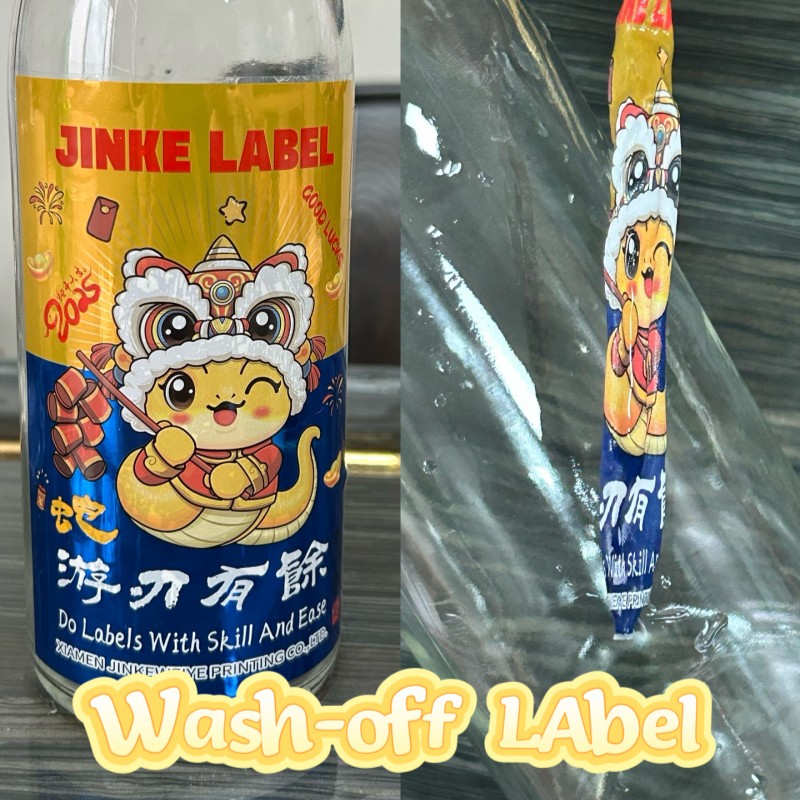
      As sustainability becomes a priority in the beverage industry, more brands are turning to wash-off labels—especially for reusable glass bottles. But what exactly is a wash-off label, and why is it important? 1. What Is a Wash-Off Label? A wash-off label is a type of label designed to be easily removed during the bottle washing process, typically using hot water or alkaline solutions. Unlike standard labels, wash-off labels: Stay firmly attached during use Detach cleanly during recycling or reuse 2. How Do Wash-Off Labels Work? The key lies in the special adhesive. At room temperature → strong adhesion In hot water or alkaline conditions → adhesive dissolves or releases This allows labels to: ✔ Stay intact during storage and transportation ✔ Be removed quickly during industrial washing 3. Why Beverage Brands Use Wash-Off Labels 1). Reusable glass bottle systems Wash-off labels make it easy to clean and reuse bottles. 2). Improved recycling efficiency Labels can be removed without leaving residue. 3). Sustainability goals Supports eco-friendly packaging strategies. 4. Typical Applications Wash-off labels are commonly used for: Beer bottles Mineral water glass bottles Soft drink glass packaging Returnable bottle systems 5. Performance Testing (Very Important) A good wash-off label must pass strict tests: Ice water resistance Long-time immersion Hot water removal efficiency For example, in our testing: Labels remain stable in ice water Fully removable after soaking in hot water 👉 Testing is essential before mass production. 6. Common Mistakes to Avoid Using standard adhesive instead of wash-off adhesive Not testing under real conditions Choosing incompatible materials These can lead to: Labels not removing properly Residue left on bottles Conclusion Wash-off labels are an essential solution for beverage brands aiming for sustainability and efficiency in reusable packaging systems. 👉 Looking for wash-off label solutions? We can provide material recommendations and sample testing based on your bottle and washing process.
    • How to Choose the Right Label Material for Beverage Bottles
      How to Choose the Right Label Material for Beverage Bottles
      Apr 28, 2026
      When it comes to beverage packaging, choosing the right label material is just as important as the design. A poor material choice can lead to issues like bubbling, peeling, or fading—especially in cold, wet, or high-humidity environments. In this guide, we’ll help you understand how to select the best label material for your beverage bottles. 1. Common Label Materials for Beverage Bottles The most widely used materials include: BOPP (Biaxially Oriented Polypropylene) Waterproof and oil-resistant Cost-effective Ideal for most beverage applications PE (Polyethylene) Soft and flexible Perfect for squeezable bottles Better for curved or irregular surfaces PET (Polyester) High strength and durability Scratch-resistant Suitable for premium or high-end products 2. Consider Your Application Environment Different beverages require different label performance: Cold storage / refrigeration → Use waterproof and condensation-resistant materials like BOPP or PET Ice bucket or wet conditions → Choose strong adhesive + film materials Room temperature drinks → Paper labels may be acceptable (if no moisture exposure) 👉 If your bottles will have condensation, avoid paper labels. 3. Adhesive Matters More Than You Think Even with the right material, the wrong adhesive can cause failure. Common adhesive types: Permanent adhesive – strong bonding for long-term use Removable adhesive – easy to peel off Freezer-grade adhesive – designed for low temperatures 👉 For beverages, permanent or freezer-grade adhesives are usually recommended. 4. Avoid Common Label Problems Here are typical issues caused by wrong material selection: Bubbling or wrinkling → material too rigid Labels falling off → weak adhesive Ink fading → poor surface compatibility Choosing the right combination of material + adhesive + printing method is key. 5. Recommended Solutions (Based on Experience) From our experience working with beverage brands: Glass bottles → BOPP or PET + strong adhesive Plastic bottles → PE or BOPP (depending on flexibility) Premium drinks → PET + special finishes (foil, UV) Conclusion There is no one-size-fits-all solution when it comes to beverage labels. The right choice depends on your bottle type, storage conditions, and branding goals. 👉 Need help choosing the right material? Send us your bottle type or artwork, and we can recommend the most suitable solution for your product.
    • Label Bubbling Problems: Causes & Practical Solutions
      Label Bubbling Problems: Causes & Practical Solutions
      Apr 23, 2026
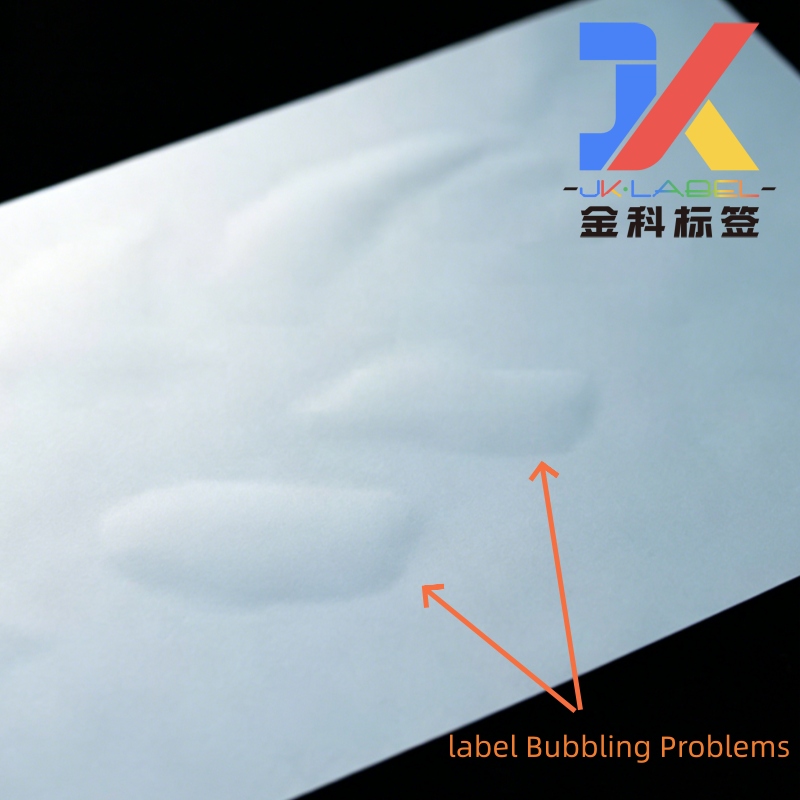
      Label bubbling—those small air pockets or raised areas under a label—is a common issue that can seriously affect product appearance and performance. Whether you're in cosmetics, food, or beverage packaging, bubbling can lead to poor shelf appeal and even label failure. In this blog, we’ll break down the main causes of label bubbling and how to effectively prevent it. What Is Label Bubbling? Label bubbling occurs when air, moisture, or gas gets trapped between the label adhesive and the surface. Over time, these trapped elements expand or shift, causing visible bubbles. Common Causes of Label Bubbling 1. Surface Contamination Dust, oil, moisture, or residue on the container surface can prevent proper adhesion. Typical scenarios: Cosmetic bottles with oil residue Beverage bottles with condensation Glass containers not fully dried Solution: Ensure the surface is clean, dry, and oil-free before labeling. 2. Incompatible Label Material Some materials are not suitable for certain surfaces. Examples: Rigid materials applied on curved bottles Paper labels used in humid environments Solution: Use flexible materials like PE or BOPP for curved or squeezable containers, especially in cosmetics and personal care. 3. Adhesive Mismatch Not all adhesives perform the same under different conditions. Common issues: Weak adhesive → poor bonding Incorrect adhesive for cold or wet environments Solution: Choose the right adhesive: Permanent adhesive for long-term use Removable adhesive for temporary labeling Freezer-grade adhesive for low temperatures 4. Improper Labeling Pressure Insufficient pressure during application can trap air underneath. Typical in: High-speed automatic labeling machines Uneven application surfaces Solution: Adjust labeling machine settings to ensure even and sufficient pressure. 5. Temperature Differences Applying labels in extreme temperatures can affect adhesive performance. Examples: Cold bottles taken directly from refrigeration Hot-filled products Solution: Apply labels within the recommended temperature range, and allow products to acclimate before labeling. 6. Gas Release from Packaging (Outgassing) Some plastic containers release gases after production, which can cause bubbles under the label. Common in: HDPE or molded plastic bottles Solution: Allow containers to rest before labeling, or use breathable adhesive materials. How to Prevent Label Bubbling ✔ Clean and dry surfaces before labeling ✔ Select the right material for your container shape ✔ Match adhesive type with application environment ✔ Optimize labeling machine pressure and speed ✔ Control labeling temperature conditions ✔ Test labels under real-use conditions Why Testing Matters At BAIHENG YUYIN LABEL, we recommend: Lab testing (adhesion, temperature, oil resistance) Application simulation Real-use validation (humidity, refrigeration, transport) This ensures your labels perform perfectly before mass production. Final Thoughts Label bubbling isn’t just a visual defect—it’s often a sign of material, adhesive, or process mismatch. The good news is that with the right approach, it can be completely avoided. If you're facing bubbling issues or want to optimize your label performance, feel free to reach out. We’re happy to help you find the best solution for your product. Need help choosing the right label material or adhesive? Contact us anytime for expert support.
    • Why Labels Fall Off (and How to Prevent It)
      Why Labels Fall Off (and How to Prevent It)
      Apr 20, 2026
      Labels are meant to stay put—through transport, storage, and real-world use. Yet in many industries like food, beverage, cosmetics, and chemicals, label failure is a common (and costly) issue. Peeling edges, bubbling, or complete detachment can damage brand image and even disrupt operations. In this article, we break down the most common reasons why labels fall off—and how to fix them effectively. 1. Poor Surface Compatibility Not all surfaces are label-friendly. Materials like low surface energy plastics (e.g., PE, PP), textured containers, or oily surfaces make it difficult for adhesives to bond properly. Solution: Choose adhesives designed for challenging surfaces, such as high-tack or specialty adhesives. Surface testing before production is highly recommended. 2. Inappropriate Adhesive Selection Using the wrong adhesive is one of the top causes of label failure. For example, a standard adhesive may not perform well in freezing conditions or high temperatures. Solution: Match the adhesive to the application environment: Freezer-grade adhesive for cold storage Heat-resistant adhesive for high-temperature exposure Removable adhesive for temporary labeling 3. Environmental Factors Humidity, temperature fluctuations, and exposure to water, oil, or chemicals can weaken adhesion over time. Solution: Select materials and adhesives that are resistant to: Moisture and condensation Oil and chemicals UV exposure (for outdoor use) 4. Application Issues Even with the right materials, improper application can lead to failure. Common issues include: Applying labels on dusty or wet surfaces Uneven pressure during application Misalignment in automatic labeling machines Solution: Ensure: Clean, dry surfaces before application Proper pressure and speed settings on labeling machines Correct label size and shape for your equipment 5. Incompatible Label Material Some label materials shrink, expand, or lose flexibility under certain conditions, causing them to peel away. Solution: Use the right material for your application: Film materials (PP, PE) for flexibility and durability Paper materials for cost-effective indoor use Laminated or coated labels for extra protection 6. Storage and Handling Problems Labels stored in poor conditions (high humidity, heat, or direct sunlight) may lose adhesive performance before use. Solution: Store labels in a cool, dry environment Avoid prolonged exposure to sunlight Use labels within the recommended shelf life Final Thoughts Label failure is rarely caused by a single factor—it’s usually a combination of material, adhesive, environment, and application. The key to preventing labels from falling off is choosing the right combination and validating it under real-use conditions. If you're experiencing label issues, working with an experienced label manufacturer can help identify the root cause and provide a tailored solution.
    • How to Choose Label Material: A Practical Guide for Your Products
      How to Choose Label Material: A Practical Guide for Your Products
      Apr 14, 2026
      Choosing the right label material is more important than many brands realize. The label is not just for appearance—it must withstand environmental conditions, maintain print quality, and adhere properly throughout the product’s lifecycle. This guide will help you select the most suitable label material based on your application. 1. Understand Your Product Environment Start by asking: Where and how will the label be used? Cold or frozen environments: Use materials with freezer-grade adhesive to prevent peeling or lifting. Moist or humid conditions (e.g., beverages, bathrooms): Choose water-resistant films like BOPP or PE. Exposure to oil or chemicals (e.g., cosmetics, food packaging): Opt for synthetic materials with protective coatings. The harsher the environment, the more durable your material needs to be. 2. Choose Between Paper and Film Materials Paper Labels Cost-effective Ideal for dry products Suitable for short-term use Works well with high-quality printing Best for: food packaging, cartons, indoor products Film Labels (BOPP, PE, PET) Waterproof and oil-resistant Tear-resistant and durable Better for long-term use Best for: beverages, cosmetics, personal care products 3. Consider Surface Compatibility Different packaging surfaces require different adhesives and materials: Glass & metal → Most materials work well Plastic (PET, HDPE, PP) → Requires strong adhesive compatibility Curved or squeezable containers → Use flexible materials like PE Always test adhesion before mass production. 4. Think About Print and Design Requirements If your design includes fine details, gradients, or multiple colors: Use high-resolution printing (flexo or offset) Consider coated materials for better ink performance Add lamination or varnish for protection Special finishes can enhance your brand: Glossy or matte lamination Hot stamping (foil) Spot UV coating 5. Evaluate Durability Needs Ask yourself: Will the label be scratched during transport? Does it need to last for months or years? Will it face friction or handling? If yes, consider: Scratch-resistant coatings Protective lamination Strong adhesives 6. Factor in Application Method Your labeling method also affects material choice: Manual application → More flexibility in material Automatic labeling machines → Require consistent roll labels and stable materials Roll labels are typically preferred for high-speed production lines. 7. Balance Cost and Performance While film materials are more expensive than paper, they often provide better durability and fewer failures—reducing long-term costs. Tip: Don’t choose based on price alone. A failed label can cost more in rework and brand damage. Final Thoughts The right label material ensures your product looks great and performs reliably from production to end use. If you're unsure, working with an experienced label supplier can help you test materials, recommend suitable options, and avoid costly mistakes. Need Help Choosing the Right Material? At BAIHENG YUYIN LABEL, we help brands select the most suitable materials based on real application scenarios—from freezer-grade adhesives to durable, high-performance films. Feel free to reach out for material recommendations or sampling support.
    • What Is Adhesive in Labels A Complete Guide for Packaging and Product Applications
      What Is Adhesive in Labels A Complete Guide for Packaging and Product Applications
      Apr 09, 2026
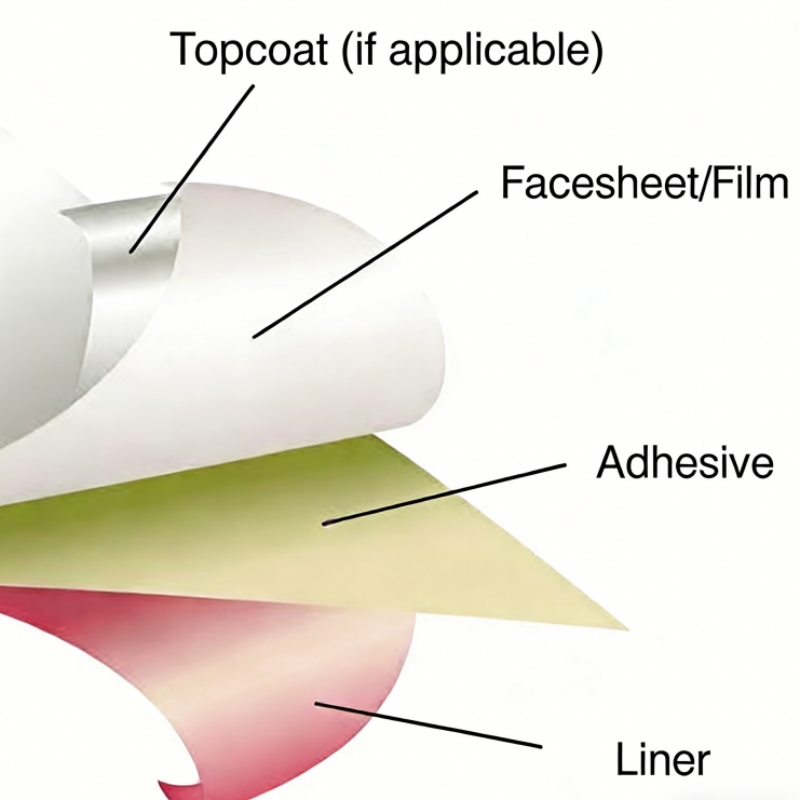
      Adhesive is one of the most critical components of a label, yet it is often overlooked. While the face material carries the design and branding, the adhesive determines how well the label performs in real-world conditions—from application to long-term durability. In simple terms, adhesive is the layer that bonds the label to a surface. However, choosing the right adhesive involves understanding surface materials, environmental conditions, and end-use requirements. This guide explains what adhesive is in labels, the different types available, and how to select the right one for your packaging—especially for industries such as food, beverage, cosmetics, and pet products. What Is Adhesive in Labels? Adhesive in labels refers to the coating applied to the back of the label material, allowing it to stick to a surface such as plastic, glass, metal, or paper. Most modern labels use pressure-sensitive adhesives (PSA), meaning they bond with light pressure and do not require heat, water, or solvent activation. A typical label structure includes: Face material (printed layer) Adhesive (bonding layer) Release liner (backing paper or film) The adhesive layer plays a key role in: Initial tack (how quickly it sticks) Adhesion strength (how firmly it holds) Removability (whether it leaves residue) Resistance (to temperature, moisture, chemicals) Types of Adhesives Used in Labels 1. Permanent Adhesive Permanent adhesive is designed to bond strongly and remain in place for the product’s lifetime. Attempting to remove it may damage the label or leave residue. Typical applications: Food and beverage packaging Pet food containers Cosmetic bottles 2. Removable Adhesive Removable adhesive allows labels to be peeled off cleanly without leaving residue. It is suitable for temporary labeling or reusable containers. Typical applications: Promotional labels Reusable packaging Instruction labels 3. Freezer-Grade Adhesive Freezer-grade adhesive is formulated to maintain adhesion in low temperatures, even below freezing. Typical applications: Frozen food packaging Cold-chain logistics Pet frozen food products 4. High-Temperature Adhesive Designed to withstand heat exposure during processing or storage, such as sterilization or hot filling. Typical applications: Hot-filled beverages Industrial products Chemical containers Key Factors When Choosing Label Adhesive Selecting the right adhesive is essential for label performance. Consider the following factors: 1. Surface Material Different surfaces require different adhesive strengths: Smooth surfaces (glass, PET): easier adhesion Rough surfaces (paper, corrugated): require stronger adhesive 2. Environmental Conditions Temperature (cold, heat) Humidity and moisture Exposure to oil or chemicals 3. Application Method Manual labeling Automatic high-speed labeling machines 4. End-User Experience Should the label be removable? Does it need an easy-peel function? Will it be frequently handled? Common Adhesive Problems and Solutions Label Falling Off → Use stronger adhesive or ensure surface is clean and dry Residue After Removal → Switch to removable adhesive Poor Performance in Cold Conditions → Use freezer-grade adhesive Bubbling or Lifting → Adjust adhesive type or improve application pressure Why Adhesive Selection Matters Choosing the right adhesive is not just a technical decision—it directly affects: Product appearance Brand perception User experience Supply chain efficiency A well-selected adhesive ensures that your label stays in place when needed and removes cleanly when required. Conclusion Adhesive is the hidden but essential component that determines how a label performs throughout its lifecycle. From permanent bonding to easy removal, each adhesive type serves a specific purpose.  
    • Glossy vs Matte Labels: Which One Is Right for Your Product?
      Glossy vs Matte Labels: Which One Is Right for Your Product?
      Apr 07, 2026
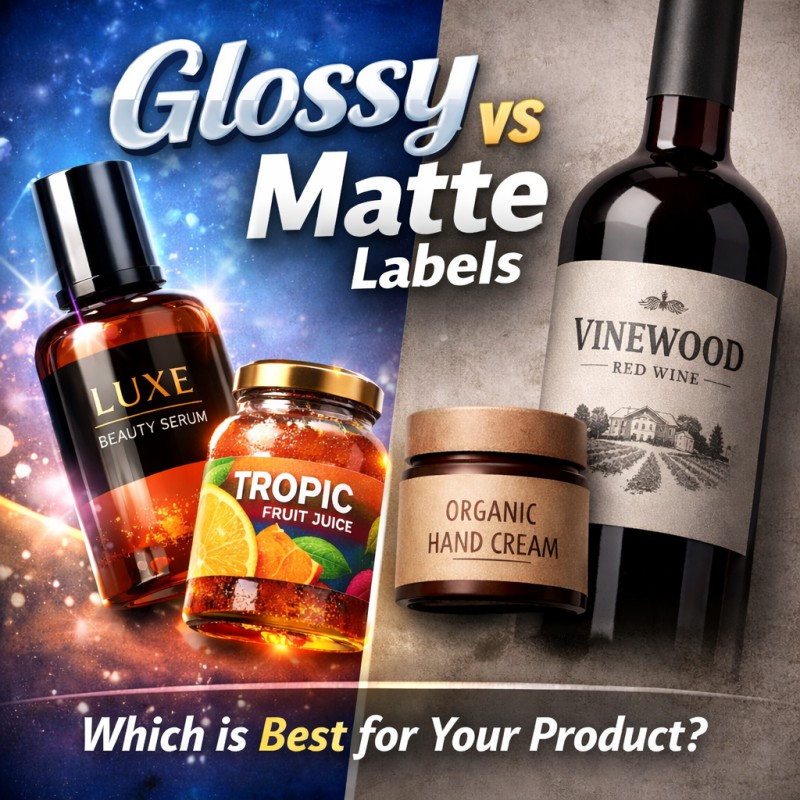
      When choosing labels for your product packaging, one of the most important decisions is the finish: glossy or matte. While both options serve the same functional purpose, they create very different visual effects and user experiences. In this guide, we’ll break down the differences between glossy and matte labels, their advantages, and how to choose the best option for your brand. What Are Glossy Labels? Glossy labels have a shiny, reflective surface that enhances colors and creates a polished, eye-catching look. Key Benefits of Glossy Labels: Vibrant colors: Enhances contrast and saturation, making designs pop Premium appearance: Ideal for products that need a luxurious feel Protective coating: Offers resistance to moisture and minor scratches High visual impact: Great for retail environments where attention matters Best Applications: Beverage bottles (water, juice, beer) Cosmetic and skincare packaging Food packaging with colorful designs Promotional or decorative labels What Are Matte Labels? Matte labels feature a non-reflective, smooth finish that gives a subtle and sophisticated look. Key Benefits of Matte Labels: Elegant and modern: Creates a clean, understated aesthetic Easy to read: No glare, making text highly legible Writable surface: Suitable for writing with pens or markers Soft touch feel: Often perceived as premium and refined Best Applications: Wine and premium beverage labels Luxury cosmetics and personal care products Minimalist or eco-friendly brands Pharmaceutical and informational labels Glossy vs Matte: Key Differences Feature Glossy Labels Matte Labels Finish Shiny, reflective Flat, non-reflective Color Appearance Bright and vibrant Soft and muted Readability Can have glare Easy to read in all lighting Texture Smooth and slick Smooth or slightly textured Brand Style Bold, energetic Elegant, minimalist   How to Choose the Right Label Finish Choosing between glossy and matte labels depends on your product type, brand identity, and usage environment. Choose Glossy Labels if: You want your product to stand out on shelves Your design includes bright colors or high contrast graphics Your product may be exposed to moisture or handling Choose Matte Labels if: You prefer a premium, understated look Your design focuses on text clarity and readability You need a writable surface or anti-glare finish Can You Combine Both? Yes! Many brands use a combination of finishes to create a unique effect. For example: Matte background with spot UV (glossy highlights) Glossy base with matte lamination for contrast This approach enhances both visual appeal and tactile experience, making your product stand out even more. Final Thoughts Both glossy and matte labels have their own strengths. The right choice ultimately depends on how you want your product to be perceived by customers. If you’re unsure, working with an experienced label manufacturer can help you select the best material and finish based on your specific application. Looking for custom label solutions? We offer both glossy and matte label options using advanced flexographic and offset printing to meet a wide range of packaging needs. Feel free to contact us for samples or expert advice.
    • What Is BOPP Label Material?
      What Is BOPP Label Material?
      Mar 31, 2026
      BOPP (Biaxially Oriented Polypropylene) is one of the most widely used materials in the self-adhesive label industry. Known for its durability, moisture resistance, and excellent printability, BOPP labels are especially popular in food, beverage, and personal care packaging. What Does BOPP Mean?   BOPP stands for Biaxially Oriented Polypropylene, which means the polypropylene film is stretched in both machine direction and transverse direction. This process enhances: Strength and durability Clarity and gloss Resistance to moisture and chemicals Key Features of BOPP Labels 1. Waterproof and Oil-Resistant BOPP labels perform exceptionally well in environments exposed to water, oil, or humidity—making them ideal for beverages, refrigerated products, and bathroom items. 2. Excellent Printability They support multiple printing technologies such as Flexo and Offset, delivering vibrant colors and sharp graphics. 3. Strong Durability BOPP labels are tear-resistant and maintain their shape even under tough handling conditions. 4. Versatile Finishing Options They are compatible with: Gloss or matte lamination Foil stamping Spot UV Embossing Common Applications BOPP labels are widely used in: Food & beverage packaging Personal care and cosmetics Household and cleaning products Health and pharmaceutical products Our Production Advantage To ensure the best results for BOPP labels, we utilize both Flexographic and Offset printing technologies, with two Flexo presses and two Offset presses in-house. This allows us to: Choose the most suitable printing method based on your design and quantity Deliver consistent, high-quality printing on film materials like BOPP Offer flexible production for both large and medium-sized orders Final Thoughts BOPP is a highly versatile and reliable label material that meets the demands of modern packaging—combining durability, aesthetics, and performance.   If you are looking for waterproof, long-lasting, and visually appealing labels, BOPP is an excellent choice. Feel free to contact us for samples or a customized quotation for your next project.
    1 2 3 4 5

    leave a message

    leave a message
    If you are interested in our products and want to know more details,please leave a message here,we will reply you as soon as we can.
    submit

    Our hours

    Monday-Saturday: 8:00am-18:00pm


    Contact Us: linda@jinkelabel.com

    home

    products

    WhatsApp

    Contact Us