English

    banner

    Self Adhesive Labels

    Home

    Self Adhesive Labels

    • Why Labels Wrinkle During Application
      Why Labels Wrinkle During Application
      May 06, 2026
      Wrinkled labels are one of the most common problems during label application. Whether applied manually or by automatic labeling machines, wrinkles can affect product appearance, reduce shelf appeal, and even lead to label lifting or poor adhesion. In this article, we’ll explain the main causes of label wrinkling and how to prevent it for smoother and more professional labeling results. What Causes Labels to Wrinkle? Label wrinkling usually happens when the label cannot conform smoothly to the surface during application. This can be caused by the label material, adhesive, container shape, or machine settings. Below are the most common reasons. 1. Container Surface Is Curved or Uneven Labels applied on curved bottles, tapered containers, or irregular surfaces are more likely to wrinkle. For example: Wine bottles with strong shoulder curves Cosmetic jars with tapered bodies Squeeze tubes and flexible packaging When a standard label material is applied to these surfaces, tension differences can create folds or air wrinkles. Solution Use flexible materials such as PE or soft BOPP Adjust label size and shape to match the container Consider using thinner face-stock materials for better conformity 2. Incorrect Label Material Selection Some label materials are too rigid for certain applications. Paper labels or thick films may not adapt well to curved or squeezable containers, especially in cold or humid environments. Solution Choose the correct material according to the application: PE labels for squeezable bottles BOPP labels for rigid containers Flexible adhesives for curved surfaces Moisture-resistant materials for refrigerated products Material selection is one of the most important factors in preventing wrinkles. 3. Labeling Machine Settings Are Improper Incorrect machine tension or dispensing speed can easily cause wrinkles during automatic application. Common issues include: Excessive label tension Uneven pressure from rollers Label dispensing too fast Poor alignment between container and label Solution Reduce dispensing tension Adjust roller pressure evenly Match labeling speed with conveyor speed Regularly maintain labeling equipment A properly calibrated labeling machine greatly improves application quality. 4. Air Trapped During Application If air cannot escape smoothly while the label is being applied, bubbles and wrinkles may appear. This often happens when: Labels are applied too quickly Surface is dusty or oily Large labels are used on curved surfaces Solution Clean the container surface before labeling Use application rollers or brushes Apply labels gradually from one side to another Consider air-release adhesive structures if necessary 5. Environmental Temperature Problems Temperature can strongly affect label flexibility and adhesive performance. Low temperatures may make materials stiffer, while high humidity can soften paper labels. Solution Store labels in a stable environment before use Avoid applying labels in extremely cold conditions Use freezer-grade adhesives for cold applications Select moisture-resistant materials when needed 6. Incorrect Label Size or Design Oversized labels on small or curved containers are more likely to wrinkle because the material has nowhere to release stress. Solution Optimize label dimensions Avoid overly large labels on curved surfaces Add small gaps or redesign label shape if necessary Sometimes even a small size adjustment can significantly improve application results. How to Prevent Label Wrinkling To reduce wrinkling problems, it’s important to consider: Container shape Label material flexibility Adhesive performance Machine settings Application environment Testing labels on the actual container before mass production is always recommended. Final Thoughts Label wrinkling is usually caused by a combination of material, application, and environmental factors. Choosing the right label construction and optimizing the application process can greatly improve labeling performance and product appearance. At Baiheng Yuyin Printing Co., Ltd., we provide customized self-adhesive label solutions for beverage, cosmetic, pharmaceutical, and industrial applications. We can help recommend suitable materials and adhesives based on your container type and application conditions. If you are experiencing labeling problems such as wrinkling, bubbling, or lifting, feel free to contact us for technical support and sample testing.
    • How to Choose Label Material: A Practical Guide for Your Products
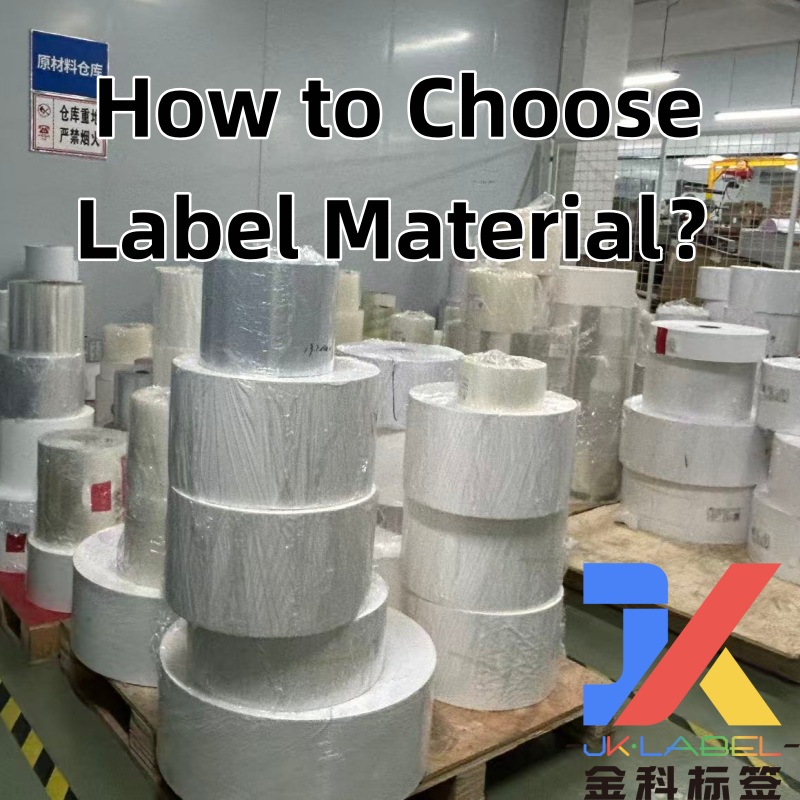
      How to Choose Label Material: A Practical Guide for Your Products
      Apr 14, 2026
      Choosing the right label material is more important than many brands realize. The label is not just for appearance—it must withstand environmental conditions, maintain print quality, and adhere properly throughout the product’s lifecycle. This guide will help you select the most suitable label material based on your application. 1. Understand Your Product Environment Start by asking: Where and how will the label be used? Cold or frozen environments: Use materials with freezer-grade adhesive to prevent peeling or lifting. Moist or humid conditions (e.g., beverages, bathrooms): Choose water-resistant films like BOPP or PE. Exposure to oil or chemicals (e.g., cosmetics, food packaging): Opt for synthetic materials with protective coatings. The harsher the environment, the more durable your material needs to be. 2. Choose Between Paper and Film Materials Paper Labels Cost-effective Ideal for dry products Suitable for short-term use Works well with high-quality printing Best for: food packaging, cartons, indoor products Film Labels (BOPP, PE, PET) Waterproof and oil-resistant Tear-resistant and durable Better for long-term use Best for: beverages, cosmetics, personal care products 3. Consider Surface Compatibility Different packaging surfaces require different adhesives and materials: Glass & metal → Most materials work well Plastic (PET, HDPE, PP) → Requires strong adhesive compatibility Curved or squeezable containers → Use flexible materials like PE Always test adhesion before mass production. 4. Think About Print and Design Requirements If your design includes fine details, gradients, or multiple colors: Use high-resolution printing (flexo or offset) Consider coated materials for better ink performance Add lamination or varnish for protection Special finishes can enhance your brand: Glossy or matte lamination Hot stamping (foil) Spot UV coating 5. Evaluate Durability Needs Ask yourself: Will the label be scratched during transport? Does it need to last for months or years? Will it face friction or handling? If yes, consider: Scratch-resistant coatings Protective lamination Strong adhesives 6. Factor in Application Method Your labeling method also affects material choice: Manual application → More flexibility in material Automatic labeling machines → Require consistent roll labels and stable materials Roll labels are typically preferred for high-speed production lines. 7. Balance Cost and Performance While film materials are more expensive than paper, they often provide better durability and fewer failures—reducing long-term costs. Tip: Don’t choose based on price alone. A failed label can cost more in rework and brand damage. Final Thoughts The right label material ensures your product looks great and performs reliably from production to end use. If you're unsure, working with an experienced label supplier can help you test materials, recommend suitable options, and avoid costly mistakes. Need Help Choosing the Right Material? At BAIHENG YUYIN LABEL, we help brands select the most suitable materials based on real application scenarios—from freezer-grade adhesives to durable, high-performance films. Feel free to reach out for material recommendations or sampling support.
    • Types of Self-Adhesive Labels Explained (Materials, Adhesives & Applications)
      Types of Self-Adhesive Labels Explained (Materials, Adhesives & Applications)
      Mar 19, 2026
      Not all self-adhesive labels are the same. Choosing the wrong type can lead to issues like peeling, fading, or poor product presentation. In this article, we break down the different types of self-adhesive labels to help you make the right choice. 1. Label Types by Material Paper Labels Economical and widely used Suitable for food and retail products Not ideal for wet environments BOPP (Polypropylene) Labels Waterproof and oil-resistant Excellent for beverage bottles Available in transparent, white, or metallic finishes PET Labels High strength and durability Resistant to heat and chemicals Common in cosmetics and industrial products 2. Label Types by Adhesive Permanent Adhesive Strong bonding Ideal for long-term use Removable Adhesive Can be peeled off without residue Suitable for temporary labels Freezer Adhesive Designed for low-temperature environments Used in frozen food and cold storage 3. Label Types by Printing Method Flexographic Printing Cost-effective for large volumes Consistent quality Offset Printing High-resolution printing Ideal for premium labels 4. How to Choose the Right Type Here’s a quick reference: Application Recommended Label Bottled water BOPP waterproof labels Cosmetics PET or PP labels Food packaging Paper or synthetic paper Frozen products Freezer adhesive labels 5. Common Mistakes to Avoid ❌ Choosing paper labels for wet environments ❌ Ignoring adhesive compatibility ❌ Not testing labels before mass production Conclusion Understanding different types of self-adhesive labels helps you avoid costly mistakes and ensures your packaging performs as expected. Looking for the right label solution? We provide custom materials, adhesives, and printing options tailored to your product. Contact us for free consultation and samples.
    • How Self Adhesive Labels Are Printed Step by Step in Label Manufacturer
      How Self Adhesive Labels Are Printed Step by Step in Label Manufacturer
      Mar 12, 2026
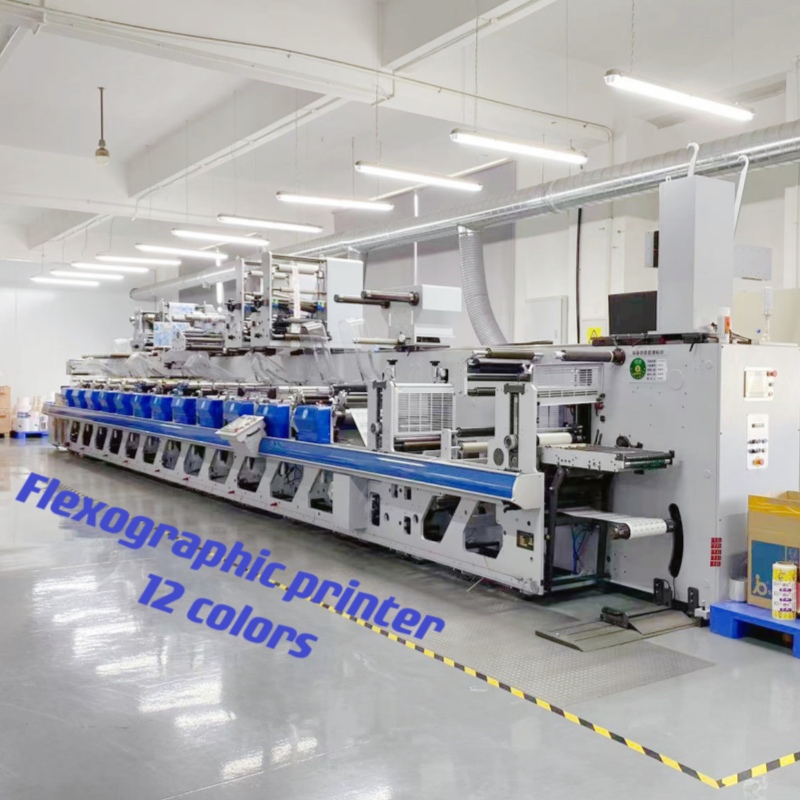
      Self adhesive labels are used across many industries, including food packaging, beverage bottles, cosmetics, logistics, and pharmaceuticals. Although labels may appear simple, producing them involves a precise manufacturing process to ensure printing accuracy, strong adhesion, and compatibility with labeling machines. This article explains how labels are printed step by step, from artwork preparation to final packaging. 1. Artwork Preparation and Prepress The first stage of label printing is artwork preparation. Customers usually provide design files in formats such as: AI PDF CDR EPS Before production begins, the prepress team checks the design carefully. This process typically includes: verifying color modes (Pantone or CMYK) checking image resolution confirming barcode clarity adjusting small text or fine details adding bleed areas and die-cut outlines Proper prepress preparation ensures that the printed labels match the intended design and reduces the risk of production errors. 2. Printing Plate Production After artwork approval, the next step is printing plate production. Different printing technologies require different types of plates. Flexographic printing plates Flexographic printing uses photopolymer plates. The design is transferred onto the plate using laser imaging technology. These plates then transfer ink onto the label material during printing. Offset printing plates Offset printing uses aluminum plates. The plate separates image areas from non-image areas, allowing ink to transfer accurately to the material. Plate quality directly affects the sharpness and consistency of the printed labels. 3. Label Material Selection Before printing begins, manufacturers select the appropriate label material and adhesive according to the application. Common label materials include: paper labels BOPP film labels PET labels PE labels Each material has different characteristics. For example: BOPP labels are often used for beverage bottles because they are waterproof. PET labels provide higher durability and chemical resistance. Paper labels are commonly used for food and logistics applications. Adhesives are also selected based on usage conditions, such as: permanent adhesive removable adhesive freezer-grade adhesive The materials are supplied in large rolls for efficient production. 4. Label Printing Process The material roll is mounted onto the printing press. During printing, the following steps occur: Ink is transferred to the printing plate The plate transfers the design onto the label material Multiple printing units apply different colors Modern label printing machines can print multiple colors in a single pass, ensuring high production efficiency. Common label printing technologies Two of the most widely used printing methods are: Flexographic printing suitable for high-speed production widely used for packaging labels compatible with many materials Offset printing suitable for detailed images and gradients excellent color consistency often used for high-precision label designs Both methods are commonly used in professional label manufacturing. 5. Finishing and Surface Treatment After printing, labels may undergo additional finishing processes to enhance their appearance and durability. Common finishing options include: matte lamination gloss lamination varnish coating hot foil stamping spot UV coating embossing These processes can improve both visual appeal and performance, such as resistance to moisture, oil, or abrasion. 6. Die Cutting Next, the printed material goes through die cutting. A die-cutting tool cuts the labels into the required shapes and sizes. At the same time, the excess material around the labels is removed. After die cutting, the labels remain attached to a release liner, making them easy to peel and apply. Labels can be produced in different formats, including: roll labels for automatic labeling machines sheet labels for manual use 7. Inspection and Quality Control After printing and finishing, the labels go through quality inspection before slitting. Many label manufacturers use automatic inspection systems to detect potential defects across the entire roll. These systems can identify issues such as: color variation printing defects missing text or graphics registration misalignment Some production lines are equipped with 100% automatic inspection machines, which scan every label on the roll to ensure consistent quality. Early inspection helps prevent defective labels from continuing to later production stages. 8. Slitting and Rewinding Once the inspection process is completed, the master roll moves to the slitting machine. The large roll is cut into smaller rolls according to customer specifications. During this step, manufacturers control several parameters: roll width core size number of labels per roll winding direction Proper slitting ensures that the finished label rolls can run smoothly on the customer’s labeling machines. 9. Packaging and Shipment Finally, the finished label rolls are carefully packed for shipment. Packaging methods may include: protective plastic wrapping carton packaging pallet packaging for large shipments Proper packaging protects the labels from moisture, dust, and damage during transportation. Conclusion Printing self adhesive labels involves several precise production steps, including artwork preparation, plate making, printing, finishing, die cutting, inspection, and slitting. Each step plays an important role in ensuring that the labels meet quality requirements and perform reliably during application. With modern technologies such as flexographic and offset printing, label manufacturers can produce customized labels suitable for a wide range of packaging applications. FAQ What printing methods are used for labels? The most common label printing methods include flexographic printing, offset printing, and digital printing. Flexographic printing is widely used for large production volumes. Why is inspection important in label production? Inspection helps detect printing defects, color variations, or missing elements. Many manufacturers use automatic inspection systems to ensure consistent quality. What materials are commonly used for labels? Common label materials include paper, BOPP film, PET, and PE. The choice depends on the product application and environmental conditions.

    leave a message

    leave a message
    If you are interested in our products and want to know more details,please leave a message here,we will reply you as soon as we can.
    submit

    Our hours

    Monday-Saturday: 8:00am-18:00pm


    Contact Us: linda@jinkelabel.com

    home

    products

    WhatsApp

    Contact Us