English

    banner

    Blog

    Home

    Blog

    • Flexo vs Offset Printing: Which Label Printing Method Is Right for You?
      Flexo vs Offset Printing: Which Label Printing Method Is Right for You?
      Mar 31, 2026
        Flexo vs Offset Printing: Which Label Printing Method Is Right for You? In the self-adhesive label industry, Flexographic Printing (Flexo) and Offset Printing (Offset) are two of the most widely used printing technologies. Each has its own strengths and is suited for different materials, designs, and order volumes. This guide will help you understand the differences and choose the right solution for your labels. What Is Flexographic Printing? Flexographic printing uses flexible relief plates and a rotary process, making it ideal for high-speed, large-volume production. Key Advantages: Wide material compatibility: BOPP, PE, PET, paper, and more High efficiency: Perfect for long runs Supports multiple finishing options: Foil stamping, lamination, spot UV, anti-counterfeiting features Eco-friendly inks: Typically water-based or UV inks Typical Applications: Food & beverage labels Personal care and household products Logistics and variable data labels What Is Offset Printing? Offset printing transfers ink from a plate to a rubber blanket, then onto the material, delivering exceptional detail and color accuracy. Key Advantages: Superior print quality: Excellent for fine details and small text Outstanding color reproduction: Ideal for gradients and complex artwork Cost-effective for medium runs with high design requirements Typical Applications: Cosmetic labels Pharmaceutical labels Premium packaging labels Flexo vs Offset: Key Differences Feature Flexo Printing Offset Printing Printing Speed Very high (ideal for large volumes) Medium Material Range Wide Wide Print Quality High High Cost Efficiency Best for long runs Better for medium runs Setup Time Short Longer   Our Advantage: Flexible Production Capacity To better serve different customer needs, we are equipped with two Offset printing machines and two Flexographic printing machines. This allows us to: Match the right technology to your project (not limited to a single process) Handle both large-volume and high-detail orders efficiently Offer faster lead times with flexible production scheduling Ensure consistent quality across different label types Whether your project requires high-speed production or premium-quality printing, we can provide the most suitable solution. How to Choose the Right Printing Method? When deciding between Flexo and Offset, consider: Order quantity: Large volumes → Flexo; Medium runs → Offset Material type: Film materials (like BOPP) → Flexo is more suitable Design complexity: Highly detailed artwork → Offset performs better Budget and timeline: Balance cost, speed, and quality Final Thoughts Flexo and Offset printing are not competitors—they are complementary technologies. The best choice depends on your specific application. With both technologies in-house, we are able to evaluate your artwork, material, and quantity requirements to recommend the most efficient and cost-effective solution.   If you’d like support with your next label project, feel free to contact us for samples or a quotation.
    • New Equipment Arrival: 10-Color Flexo Printing Machine Boosts Our Production Capability
      New Equipment Arrival: 10-Color Flexo Printing Machine Boosts Our Production Capability
      Mar 26, 2026
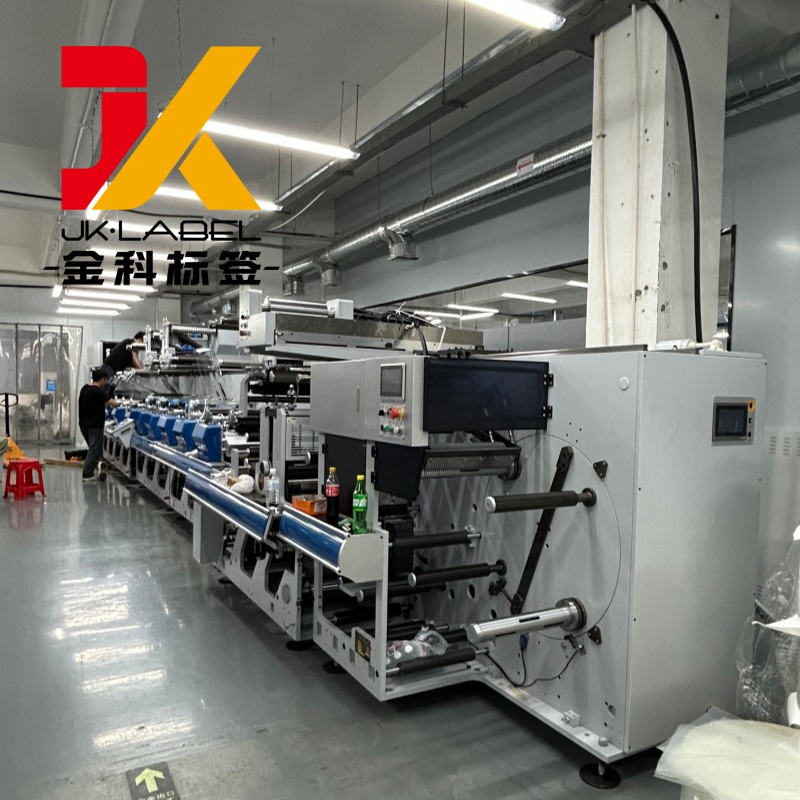
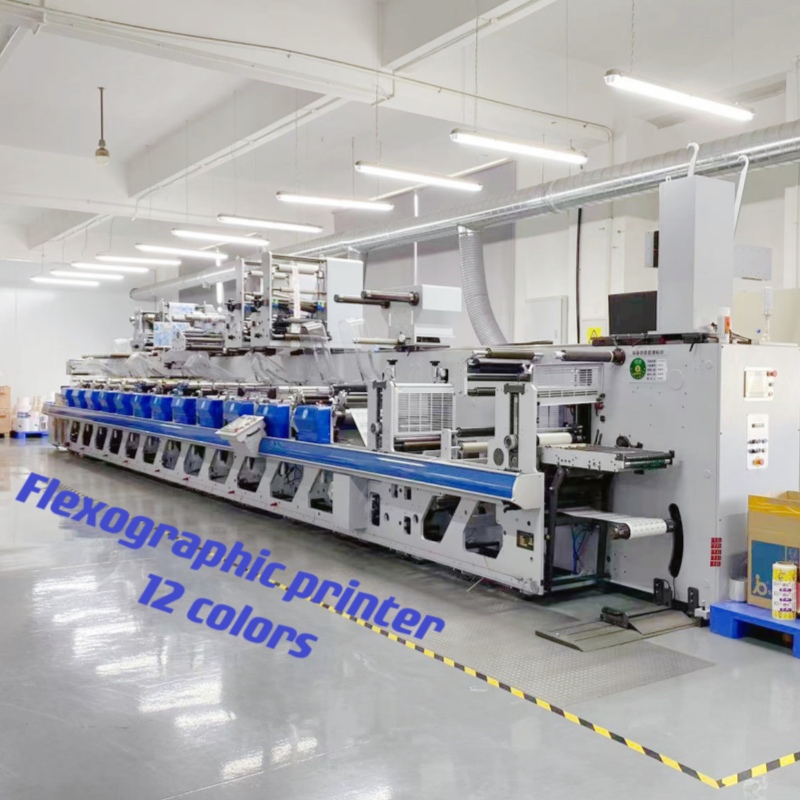
      In response to growing demand for high-quality and multi-process label printing, we are excited to announce the arrival of our new 10-color flexographic printing machine. This upgrade strengthens our production capacity and enables us to deliver more complex, high-end label solutions with greater efficiency. Our Current Printing Equipment Overview With this latest addition, our factory now operates a comprehensive range of advanced printing equipment, including: 5-color and 6-color offset printing machines 8-color full rotary printing machine 10-color flexographic printing machine (newly installed) 12-color flexographic printing machine This diversified equipment setup allows us to match the most suitable printing method to each project—ensuring the best balance between quality, cost, and efficiency. Why a 10-Color Flexo Press? Flexographic printing is known for its high speed, flexibility, and cost-effectiveness. With the 10-color configuration, we can now: Handle more complex artwork with richer color layers Achieve smooth gradients and accurate color registration Integrate multiple processes in a single pass This is especially valuable for industries such as food, beverage, cosmetics, and healthcare, where packaging quality directly impacts brand perception.   Key Advantages of the New Machine 1. Superior Print Quality: With 10 printing units, the machine delivers excellent color consistency and sharp detail reproduction—even for fine text and intricate designs. 2. Multi-Process Integration Supports a wide range of inline finishing options: Lamination (gloss/matte) Cold foil stamping Spot UV varnishing Reverse printing & special adhesive applications 3. Improved Production Efficiency High-speed performance ensures stable output for both short runs and large-volume orders, reducing lead times. 4. Wide Material Compatibility Compatible with BOPP, PET, paper, and specialty materials, meeting diverse labeling requirements. What This Means for Our Customers With our upgraded equipment portfolio, we can offer: Faster turnaround times Greater flexibility in printing methods Competitive pricing for both simple and complex labels Consistent quality across all order sizes Whether you need premium cosmetic labels, durable beverage labels, or high-precision pharmaceutical labels, our multi-machine setup ensures the right solution for your project. Continuous Investment, Better Service We believe that advanced equipment is the foundation of consistent quality and reliable delivery. The addition of the 10-color flexo press reflects our ongoing commitment to investing in technology and improving customer experience. If you have any labeling needs or would like to evaluate samples, feel free to reach out—we’re ready to support your next project with our enhanced capabilities.
    • Key Packaging Trends We Found at HOSTELCO Barcelona
      Key Packaging Trends We Found at HOSTELCO Barcelona
      Mar 26, 2026
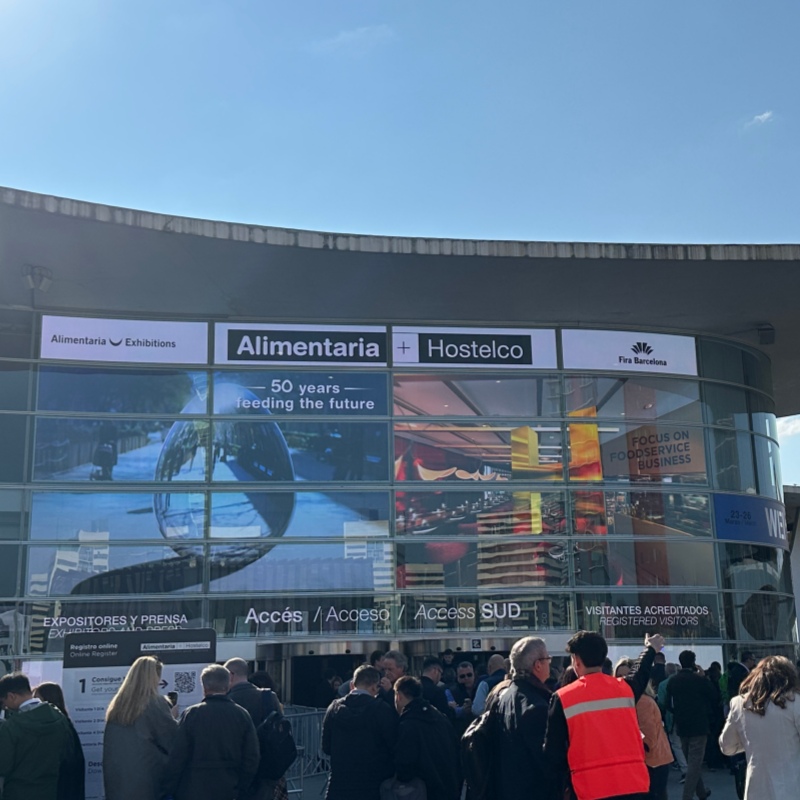
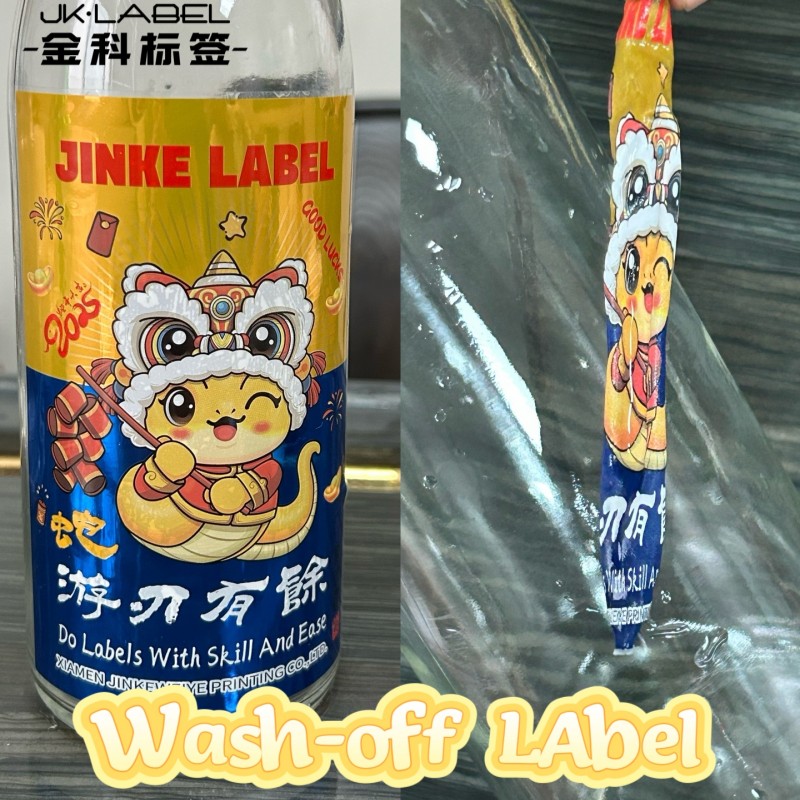
      In March 2026, our team had the opportunity to visit HOSTELCO in Barcelona, one of Europe’s leading trade shows for the hospitality, food service, and catering industries. Held at Fira Barcelona Gran Via, the exhibition brought together global brands, manufacturers, and solution providers across the HoReCa sector. As a professional self-adhesive label manufacturer, this visit allowed us to better understand market trends, customer needs, and innovations in packaging and labeling. What We Observed at the Exhibition 1. Strong Demand for Sustainable Packaging Sustainability was one of the most noticeable trends. Many brands are shifting toward: Recyclable materials Wash-off labels for returnable bottles Minimalist label designs This aligns closely with our wash-off label solutions, which help brands improve bottle recyclability. 2. Growth in Beverage & Private Label Products We noticed a growing number of: Bottled water brands Juices and functional drinks Hotel private label products These products rely heavily on high-quality, durable labels, especially for: Glass bottles Refrigerated environments Moisture resistance 3. Increasing Use of Smart & Traceability Labels Another key trend was the adoption of: QR codes for product information Variable data printing (VDP) Traceability systems This is particularly relevant for food safety and brand transparency. What This Means for Label Solutions Based on what we observed, the market is clearly moving toward: More sustainable materials Higher durability requirements Smarter labeling systems At Baiheng Yuyin Label, we support these needs with: BOPP waterproof labels Wash-off adhesive solutions Barcode & QR code printing Oil- and scratch-resistant materials Looking Forward Visiting HOSTELCO was a valuable experience that strengthened our understanding of the European hospitality and packaging market. We look forward to supporting more food, beverage, and hospitality brands with reliable and innovative labeling solutions. If you are looking for customized label solutions for your products, feel free to reach out to us.
    • How Self-Adhesive Labels Are Made
      How Self-Adhesive Labels Are Made
      Mar 24, 2026
      Self-adhesive labels are widely used across food, beverage, cosmetic, and industrial packaging. While they may look simple, the production process involves multiple precise steps to ensure print quality, adhesion performance, and durability. This article explains how self-adhesive labels are made, step by step. 1. Material Selection (Face Material + Adhesive + Liner) The process starts with selecting a complete label material structure, which includes: Face material (paper, PP, PET, etc.) Adhesive (permanent, removable, freezer-grade, oil-resistant, etc.) Release liner (glassine or film liner) These three components are decided together at the beginning, based on the final application. For example: Food packaging may require food-safe and moisture-resistant materials Beverage labels need adhesives that perform in cold or wet conditions Oil-related applications require oil-resistant adhesives Some functional labels may require partial adhesive or special structures Choosing the correct combination at this stage is critical, as it directly affects label performance. 2. Printing After material selection, the design is printed onto the face material. Common printing methods include: Flexographic printing: Suitable for high-volume production Offset printing: Ideal for fine details and high-resolution graphics This step defines the visual appearance of the label, including colors, branding elements, and required information. 3. Surface Finishing To improve durability and appearance, labels may undergo additional finishing processes: Lamination (gloss or matte) for protection Hot stamping for metallic effects Spot UV for selective gloss Embossing for texture These processes help labels withstand handling, moisture, and friction during distribution and use. 4. Die Cutting (Including Special Structures) Die cutting shapes the label and can also create functional structures, such as: Standard shapes (square, round) Custom shapes Special constructions, such as: Partial adhesive areas Liner retained structures Easy-peel designs Precision die cutting ensures clean edges and consistent application performance. 5. Inspection And Quality Control Each batch of labels is inspected to ensure consistency and performance: Print quality and color accuracy Adhesion performance Die-cut precision Surface defects This step is essential for maintaining stable quality, especially for export orders. 6. Slitting And Rewinding Large master rolls are slit into smaller rolls according to customer requirements: Custom roll width and diameter Different core sizes (e.g., 40 mm, 76 mm) Proper tension control during rewinding This ensures compatibility with automatic labeling machines. 7. Packaging And Delivery Finished labels are packed carefully to avoid damage during transportation: Protective wrapping Carton packaging Moisture protection for humid climates This is especially important for shipments to Southeast Asia and other high-humidity regions. Conclusion The production of self-adhesive labels is not just about printing. It starts with selecting the right material system (face material, adhesive, and liner) and continues through printing, finishing, and precise die cutting. Each step plays a role in ensuring that the label performs reliably in real applications, whether for food, beverage, cosmetics, or industrial use.
    • Types of Self-Adhesive Labels Explained (Materials, Adhesives & Applications)
      Types of Self-Adhesive Labels Explained (Materials, Adhesives & Applications)
      Mar 19, 2026
      Not all self-adhesive labels are the same. Choosing the wrong type can lead to issues like peeling, fading, or poor product presentation. In this article, we break down the different types of self-adhesive labels to help you make the right choice. 1. Label Types by Material Paper Labels Economical and widely used Suitable for food and retail products Not ideal for wet environments BOPP (Polypropylene) Labels Waterproof and oil-resistant Excellent for beverage bottles Available in transparent, white, or metallic finishes PET Labels High strength and durability Resistant to heat and chemicals Common in cosmetics and industrial products 2. Label Types by Adhesive Permanent Adhesive Strong bonding Ideal for long-term use Removable Adhesive Can be peeled off without residue Suitable for temporary labels Freezer Adhesive Designed for low-temperature environments Used in frozen food and cold storage 3. Label Types by Printing Method Flexographic Printing Cost-effective for large volumes Consistent quality Offset Printing High-resolution printing Ideal for premium labels 4. How to Choose the Right Type Here’s a quick reference: Application Recommended Label Bottled water BOPP waterproof labels Cosmetics PET or PP labels Food packaging Paper or synthetic paper Frozen products Freezer adhesive labels 5. Common Mistakes to Avoid ❌ Choosing paper labels for wet environments ❌ Ignoring adhesive compatibility ❌ Not testing labels before mass production Conclusion Understanding different types of self-adhesive labels helps you avoid costly mistakes and ensures your packaging performs as expected. Looking for the right label solution? We provide custom materials, adhesives, and printing options tailored to your product. Contact us for free consultation and samples.
    • What Are Self-Adhesive Labels?
      What Are Self-Adhesive Labels?
      Mar 19, 2026
      Self-adhesive labels, also known as pressure-sensitive labels, are one of the most widely used labeling solutions in modern packaging. From food and beverages to cosmetics and medical products, they offer a fast, efficient, and cost-effective way to present product information and branding. In this guide, we’ll walk you through everything you need to know about self-adhesive labels and why they are essential for your business. What Are Self-Adhesive Labels? Self-adhesive labels are labels that consist of three main layers: Face material (paper, PP, PET, etc.) Adhesive layer (permanent, removable, freezer-grade) Release liner (backing paper) They can be applied simply by pressure—no glue, heat, or water required. Key Benefits of Self-Adhesive Labels ✅ Easy to apply (manual or automatic labeling machines) ✅ Suitable for various surfaces (plastic, glass, metal) ✅ High-quality printing (flexo & offset) ✅ Customizable finishes (lamination, hot stamping, UV coating) ✅ Durable options (waterproof, oil-resistant, scratch-resistant) Common Types of Self-Adhesive Labels 1. Paper Labels Cost-effective Ideal for dry environments 2. Film Labels (PP / PET) Waterproof and durable Suitable for beverages and cosmetics 3. Thermal Labels Used for logistics and barcodes Available in direct thermal label 👉 Learn more about thermal labels in our guide: https://www.jinkelabel.com/understanding-thermal-label-paper Applications Across Industries Self-adhesive labels are widely used in: Food packaging (oil-resistant materials) Beverages (waterproof labels for bottles) Cosmetics (durable and aesthetic finishes) Medical & diagnostics (high-precision labeling) How to Choose the Right Label Choosing the right label depends on: Surface material (glass, plastic, etc.) Storage conditions (cold, humid, outdoor) Application method (manual vs automatic) 👉 You can read our detailed guide here: https://www.jinkelabel.com/types-of-self-adhesive-labels-explained-materials-adhesives-applications Conclusion Self-adhesive labels are a flexible and reliable solution for modern packaging. With the right material and adhesive, they can enhance both product performance and brand image. Need help choosing the right label? We offer custom self-adhesive labels with full material support, printing options, and free samples. Contact us today to get started.
    • Printing Glass Bottle Water Labels for Eira One Container Shipment Completed
      Printing Glass Bottle Water Labels for Eira One Container Shipment Completed
      Mar 16, 2026
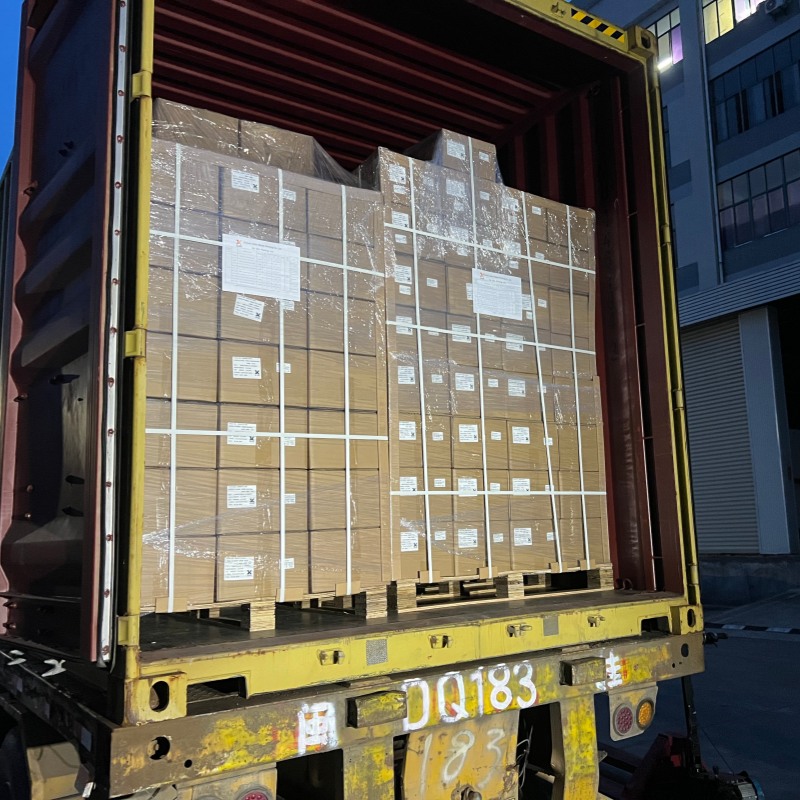
      Recently, our factory completed the production and shipment of a full container of self-adhesive labels for Eira drinking water. These labels are applied to glass water bottles used in retail and hospitality distribution. The labels were produced in roll format to match the customer’s automatic labeling equipment. After finishing production and quality inspection, the labels were packed for export and shipped as a full container to support the customer's beverage packaging schedule. Projects like this require consistent printing quality and stable label performance during filling, transportation, and storage. Label Requirements for Glass Bottle Water Packaging Glass bottled water packaging often requires labels that maintain appearance in environments where moisture and condensation are common. During refrigerated storage or transport, water bottles may develop condensation on the surface. Because of this, label materials and adhesives must be selected carefully to ensure stable adhesion on glass containers. For this project, suitable label materials and adhesive systems were used to support reliable labeling on glass bottles while maintaining a clean and consistent brand presentation. Roll labels were supplied to ensure compatibility with automatic labeling machines used in beverage production lines. Printing and Production Process The labels were produced using flexographic printing, which is commonly used for beverage labels requiring stable colors and efficient large-volume production. The production process included several steps to maintain consistency: raw material inspection before printing color control during the printing process surface finishing for label protection roll slitting and final inspection Inspection equipment was used to check the labels throughout production to maintain consistent printing results. Packing and Container Shipment After production and quality inspection were completed, the labels were packed according to export packaging standards and arranged for container loading. For beverage manufacturers, container shipment allows large quantities of labels to be delivered efficiently while protecting materials during international transportation. This shipment has now been completed and delivered to support the customer's bottled water production. Supporting Beverage Label Projects Our factory manufactures self-adhesive labels for beverage packaging, including: glass bottled water juice and soft drink bottles dairy beverage packaging food containers personal care bottles Labels can be produced using different materials and adhesive systems depending on container type, storage temperature, and labeling equipment. About Baiheng Yuyin Printing Baiheng Yuyin Printing is a label manufacturer specializing in self-adhesive roll labels and sheet labels. Our factory provides flexographic and offset printing for packaging applications such as food, beverage, and consumer goods. With multiple production lines and export experience, we support customers with stable production schedules and international shipments.
    • How Self Adhesive Labels Are Printed Step by Step in Label Manufacturer
      How Self Adhesive Labels Are Printed Step by Step in Label Manufacturer
      Mar 12, 2026
      Self adhesive labels are used across many industries, including food packaging, beverage bottles, cosmetics, logistics, and pharmaceuticals. Although labels may appear simple, producing them involves a precise manufacturing process to ensure printing accuracy, strong adhesion, and compatibility with labeling machines. This article explains how labels are printed step by step, from artwork preparation to final packaging. 1. Artwork Preparation and Prepress The first stage of label printing is artwork preparation. Customers usually provide design files in formats such as: AI PDF CDR EPS Before production begins, the prepress team checks the design carefully. This process typically includes: verifying color modes (Pantone or CMYK) checking image resolution confirming barcode clarity adjusting small text or fine details adding bleed areas and die-cut outlines Proper prepress preparation ensures that the printed labels match the intended design and reduces the risk of production errors. 2. Printing Plate Production After artwork approval, the next step is printing plate production. Different printing technologies require different types of plates. Flexographic printing plates Flexographic printing uses photopolymer plates. The design is transferred onto the plate using laser imaging technology. These plates then transfer ink onto the label material during printing. Offset printing plates Offset printing uses aluminum plates. The plate separates image areas from non-image areas, allowing ink to transfer accurately to the material. Plate quality directly affects the sharpness and consistency of the printed labels. 3. Label Material Selection Before printing begins, manufacturers select the appropriate label material and adhesive according to the application. Common label materials include: paper labels BOPP film labels PET labels PE labels Each material has different characteristics. For example: BOPP labels are often used for beverage bottles because they are waterproof. PET labels provide higher durability and chemical resistance. Paper labels are commonly used for food and logistics applications. Adhesives are also selected based on usage conditions, such as: permanent adhesive removable adhesive freezer-grade adhesive The materials are supplied in large rolls for efficient production. 4. Label Printing Process The material roll is mounted onto the printing press. During printing, the following steps occur: Ink is transferred to the printing plate The plate transfers the design onto the label material Multiple printing units apply different colors Modern label printing machines can print multiple colors in a single pass, ensuring high production efficiency. Common label printing technologies Two of the most widely used printing methods are: Flexographic printing suitable for high-speed production widely used for packaging labels compatible with many materials Offset printing suitable for detailed images and gradients excellent color consistency often used for high-precision label designs Both methods are commonly used in professional label manufacturing. 5. Finishing and Surface Treatment After printing, labels may undergo additional finishing processes to enhance their appearance and durability. Common finishing options include: matte lamination gloss lamination varnish coating hot foil stamping spot UV coating embossing These processes can improve both visual appeal and performance, such as resistance to moisture, oil, or abrasion. 6. Die Cutting Next, the printed material goes through die cutting. A die-cutting tool cuts the labels into the required shapes and sizes. At the same time, the excess material around the labels is removed. After die cutting, the labels remain attached to a release liner, making them easy to peel and apply. Labels can be produced in different formats, including: roll labels for automatic labeling machines sheet labels for manual use 7. Inspection and Quality Control After printing and finishing, the labels go through quality inspection before slitting. Many label manufacturers use automatic inspection systems to detect potential defects across the entire roll. These systems can identify issues such as: color variation printing defects missing text or graphics registration misalignment Some production lines are equipped with 100% automatic inspection machines, which scan every label on the roll to ensure consistent quality. Early inspection helps prevent defective labels from continuing to later production stages. 8. Slitting and Rewinding Once the inspection process is completed, the master roll moves to the slitting machine. The large roll is cut into smaller rolls according to customer specifications. During this step, manufacturers control several parameters: roll width core size number of labels per roll winding direction Proper slitting ensures that the finished label rolls can run smoothly on the customer’s labeling machines. 9. Packaging and Shipment Finally, the finished label rolls are carefully packed for shipment. Packaging methods may include: protective plastic wrapping carton packaging pallet packaging for large shipments Proper packaging protects the labels from moisture, dust, and damage during transportation. Conclusion Printing self adhesive labels involves several precise production steps, including artwork preparation, plate making, printing, finishing, die cutting, inspection, and slitting. Each step plays an important role in ensuring that the labels meet quality requirements and perform reliably during application. With modern technologies such as flexographic and offset printing, label manufacturers can produce customized labels suitable for a wide range of packaging applications. FAQ What printing methods are used for labels? The most common label printing methods include flexographic printing, offset printing, and digital printing. Flexographic printing is widely used for large production volumes. Why is inspection important in label production? Inspection helps detect printing defects, color variations, or missing elements. Many manufacturers use automatic inspection systems to ensure consistent quality. What materials are commonly used for labels? Common label materials include paper, BOPP film, PET, and PE. The choice depends on the product application and environmental conditions.
    • Wash‑Off Labels: Unlocking New Opportunities in Sustainable Packaging
      Wash‑Off Labels: Unlocking New Opportunities in Sustainable Packaging
      Mar 09, 2026
      As global brands and consumers increasingly prioritize sustainability and the circular economy, wash‑off labels are becoming a focal point in the packaging industry. According to recent market research, the global wash‑off label market is expected to grow from approximately USD 1.3 billion in 2025 to USD 2.5 billion by 2035, with a compound annual growth rate (CAGR) of around 6.6%. This reflects the rapid adoption of recyclable packaging solutions across the food, beverage, personal care, and pharmaceutical sectors. Why Wash‑Off Labels Are Gaining Popularity Improved Recycling Efficiency: Wash‑off labels are designed to completely detach from containers during recycling processes, using hot water or specialized wash-off techniques. Unlike traditional permanent labels, they support PET, glass, and other container recycling more effectively. Compliance with Environmental Regulations: Increasing regulations on recyclable packaging, including Extended Producer Responsibility (EPR) policies in many regions, are driving brands to adopt eco-friendly label solutions. Wash‑off labels help companies meet higher recyclability standards and waste reduction goals. Advances in Materials and Technology: Water-based adhesives dominate the market due to low VOC emissions and easy removability. Polypropylene (PP) substrates are also gaining traction because of their excellent printability and recyclability. Market Drivers and Industry Outlook Leading adoption in Food & Beverage: Wash‑off labels have become a preferred choice for many large beverage and packaged food brands in recyclable PET bottle systems. Strong growth in Asia: Countries such as Japan and South Korea are expected to see faster market growth due to regulatory support and higher packaging standards. Challenges remain: Although the outlook is positive, higher production costs compared to traditional labels and limited recycling infrastructure in some emerging markets pose challenges to adoption. Overall, wash‑off labels are more than a technological trend—they are a critical tool for brands pursuing sustainable packaging strategies. With continued innovation in materials, eco-friendly adhesives, and automated labeling processes, this market is expected to maintain strong growth over the next decade.
    • RFID Labels: The Smart Upgrade for Pressure-Sensitive Label Packaging
      RFID Labels: The Smart Upgrade for Pressure-Sensitive Label Packaging
      Mar 04, 2026
      As supply chains become more digital and automated, traditional barcode labels are no longer enough for many industries. Businesses today need faster scanning, real-time tracking, and better inventory visibility. That’s where RFID labels come in. RFID (Radio Frequency Identification) labels combine smart chips with pressure-sensitive adhesive labels, allowing products to be identified and tracked automatically without direct line-of-sight scanning. At Baiheng Yuyin Printing Co., Ltd., we integrate RFID inlays directly into self-adhesive labels, helping brands upgrade from conventional labels to smart packaging solutions. What Is an RFID Label? An RFID label consists of: Face material (paper, PP, PET, BOPP, etc.) RFID inlay (chip + antenna) Adhesive layer Liner Unlike barcodes, RFID labels can: Be read through cartons or pallets Scan multiple items at once Store more data Enable real-time tracking This makes them ideal for modern logistics and automated systems. Key Benefits of RFID Labels Faster Inventory Management: Hundreds of items can be scanned simultaneously without manual scanning, saving labor time and reducing errors. Real-Time Tracking: Products can be tracked throughout production, warehousing, and shipping. Higher Accuracy: Eliminates missed or duplicate scans common with barcodes. Improved Anti-Counterfeiting: Unique chip IDs make each label traceable and harder to duplicate. Better Customer Experience: Retailers can achieve faster checkout and smarter stock control. Common Applications RFID labels are widely used in: Warehousing & logistics Retail & apparel Pharmaceutical & medical supplies Electronics Asset management Returnable packaging systems For companies handling large volumes of products, RFID significantly improves efficiency and visibility. Why Combine RFID with Pressure-Sensitive Labels? By integrating RFID into adhesive labels, you get both: Strong labeling performance Smart identification technology This means you don’t need separate tags or extra packaging steps. The label becomes both the information carrier and the tracking device. It’s cleaner, simpler, and more cost-effective. Ready to Upgrade Your Labels? If you are looking to improve traceability, reduce labor costs, or modernize your packaging, RFID labels may be the right solution. Contact us (+86 15805928278) for samples or technical advice — we’re happy to help you find the best configuration for your application.  
    • How to Label Small-Diameter Bottles
      How to Label Small-Diameter Bottles
      Feb 05, 2026
      How to Label Small-Diameter Bottles: Pressure-Sensitive Label Solutions for High-Curvature Containers Small-diameter containers — typically bottles with a diameter under 20 mm — are widely used in pharmaceuticals, nutraceuticals, diagnostic reagents, essential oils, and cosmetic samples. Although these bottles are small in size, they present one of the biggest technical challenges for pressure-sensitive labels. In such limited curved surfaces, labels must flex easily while maintaining long-term adhesion. If the face-stock is too stiff, edges will lift. If the adhesive lacks cohesion, labels may gradually peel off during storage or transportation. In essence, labeling small-diameter bottles is a stress test for the entire label construction. Why Are Small Bottles So Difficult to Label? 1. High Curvature Creates Strong Rebound Force When a label is applied to a very narrow cylinder, the material is forced to bend sharply. Stiffer materials naturally try to return to their original flat shape, creating outward tension that leads to: Edge lifting Flagging Wrinkles Poor appearance The smaller the bottle diameter, the stronger this “memory effect.” 2. Limited Bonding Area Small bottles usually mean smaller labels. This results in: Less adhesive contact area Reduced bonding strength Lower error tolerance during application If the label isn’t pressed down perfectly during application, adhesion failure can occur later. 3. Challenging Storage Environments Many pharmaceutical and healthcare products require: Refrigeration High humidity Alcohol wiping or sterilization Long-distance transportation Standard adhesives often fail under these conditions. That’s why small-diameter labeling is not simply about “stronger glue.” It requires a balanced combination of: Flexible face-stock + high-performance adhesive + proper design + correct application method   Practical Solutions for Small-Diameter Pressure-Sensitive Labels Based on real production experience, here are proven solutions to ensure reliable performance. Solution 1: Use Thinner and More Flexible Face-stock    Reducing stiffness is the first step to improving conformity.    Recommended materials: 50–60μm BOPP film PE / Soft PE film Thin synthetic paper Lightweight coated paper (≤ 70gsm)    Why it works: Thinner materials bend easier Softer films conform better to curves Less internal stress means less edge lifting Solution 2: Choose High-Tack, High-Cohesion Adhesives    Adhesive selection is critical for small containers.    Many failures occur not immediately, but days later — labels slowly slide or peel off.    This is typically caused by insufficient cohesion.    Recommended adhesive types: Permanent acrylic adhesives High-tack formulations Low-temperature or freezer-grade adhesives Small-radius specialty adhesives    Key properties to look for: Strong initial tack → instant bonding High cohesion → long-term holding power Resistance to moisture and cold storage    This ensures labels stay firmly attached throughout the product lifecycle. Solution 3: Optimize Label Design and Application    Material alone isn’t enough. Structural and application improvements also make a big difference.    Practical tips: Control label height    Taller labels create more bending stress.    Recommended: Label height ≤ 1.2–1.5 × bottle diameter Use rounded corners    Sharp corners tend to lift first.    Rounded die-cuts help distribute stress evenly, reduce edge lifting and improve durability. Increase labeling pressure (Better pressure = stronger adhesion)    For automatic labeling lines, increasing roller pressure, extending the label-to-surface contact time, and adopting wrap-around labeling methods can significantly improve adhesion performance and ensure the label conforms tightly to small-diameter bottles. Final Thoughts Small-diameter labeling may look simple, but it is one of the most demanding applications in the pressure-sensitive label industry. Success depends on the right combination of: Flexible materials + professional adhesive systems + smart design + correct application Working with an experienced label manufacturer helps avoid costly testing and failures. At Jinke Printing, we provide customized adhesive labels using flexographic and offset printing, offering multiple materials, adhesives, and finishing options to match different environments and applications. Sample testing is available to ensure perfect performance before mass production. If you’re developing small pharmaceutical or cosmetic packaging, feel free to contact us for recommendations or trial samples.  
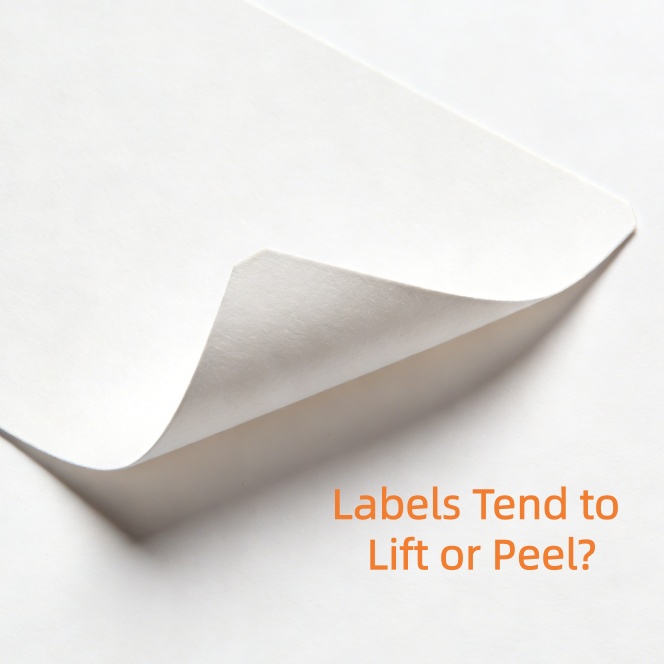
    • When Do Labels Tend to Lift or Peel?
      When Do Labels Tend to Lift or Peel?
      Jan 21, 2026
      When Do Labels Tend to Lift or Peel? Label lifting or peeling is a common challenge in packaging applications. In most cases, this issue is not caused by printing quality, but rather by a mismatch between the label material, adhesive, and application conditions. Below are the most common factors that can lead to label lifting—and how they can be addressed. 1. Highly Curved or Irregular Container Shapes Bottles with strong curves, narrow waists, or uneven surfaces place extra stress on the label. Rigid materials such as paper or thick films may struggle to conform properly, which often results in edge lifting or flagging, especially near the corners. Suggested solution: Use flexible materials such as PE or PP films combined with high-tack or conformable adhesives. 2. Low-Temperature or Refrigerated Environments Labels applied to products stored in cold rooms, refrigerators, or freezers face unique challenges. Standard adhesives may lose their tack at low temperatures, leading to peeling during storage or transportation. Suggested solution: Choose low-temperature or freezer-grade adhesives designed to maintain adhesion in cold conditions. 3. Oily, Wet, or Dusty Container Surfaces Surface contamination is one of the most overlooked causes of poor adhesion. Oil residues, moisture, condensation, or dust can significantly reduce adhesive contact, preventing the label from bonding properly to the container. Suggested solution: Ensure containers are clean and dry before labeling, or use adhesives specifically formulated for oily or challenging surfaces. 4. Incorrect Application Temperature Applying labels at temperatures below the adhesive’s recommended range can compromise initial tack, even if the product will later be stored at normal temperatures. Suggested solution: Apply labels within the recommended temperature range and allow sufficient time for the adhesive to set. 5. Incompatible Label Material and Adhesive Combination Even high-quality materials can fail if the adhesive is not suitable for the container surface or usage environment. Suggested solution: Select label materials and adhesives as a system, based on the container material (glass, PET, HDPE, etc.) and end-use conditions. How to Prevent Label Peeling To achieve reliable labeling performance, it’s important to consider: Container material and shape Storage and transportation conditions Surface cleanliness Adhesive type and material flexibility   If you’re experiencing label lifting or peeling, feel free to share your application details with us. Our team is happy to recommend suitable materials and adhesive solutions tailored to your needs.
    1 2 3 4 5

    leave a message

    leave a message
    If you are interested in our products and want to know more details,please leave a message here,we will reply you as soon as we can.
    submit

    Our hours

    Monday-Saturday: 8:00am-18:00pm


    Contact Us: linda@jinkelabel.com

    home

    products

    WhatsApp

    Contact Us